


The Bombay Natural History Society is today the largest non-government organisation (NGO) in the Indian sub-continent engaged in nature conservation research. In the 120 years of its existence, its commitment has been, and continues to be, the conservation of India's natural wealth, protection of the environment and sustainable use of natural resources for a balanced and healthy development for future generations. The Society's guiding principle has always been that conservation must be based on scientific research - a tradition exemplified by its late president, Dr. Sálim Ali.
Research and Environment Protection Past few decades the BNHS has shifted its emphasis from the documentation of India’s natural resources to providing the scientific basis for sound conservation programmes.
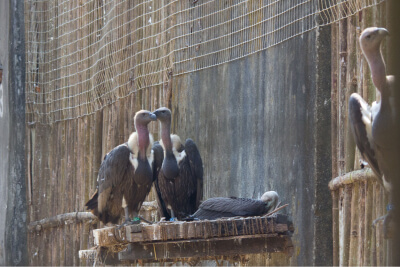
Vulture Conservation Your Society and the Indian vultures need your urgent help.
Need to start 'Project Bustards' Not many know that the Great Indian Bustard and the Lesser Florican endemic to the Indian subcontinent, are now on the brink of extinction.
Asian Waterfowl Count (AWC) 2006 AWC is an annual event carried out during 2nd & 3rd week of Jan for collection & dissemination of information on waterbirds & wetlands.
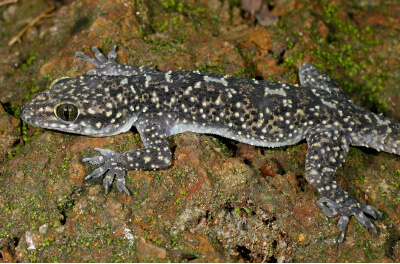
A new species of lizard found in Maharashtra A distinctive new species of ground-dwelling lizard (gecko) of the genus Hemidactylus is described from the plateaus of the Satara district in Maharashtra, India.
Telugu-Ganga Canal and Jerdon's Courser and its habitat Jerdon's Courser's habitat is under great threat by the construction of the Telugu-Ganga Canal in and around two protected areas in Cuddpah District, Andhra Pradesh.
Important Bird Areas & IBCN An effective way to save birds is to save the places where they live; the identification of such representative habitats is carried out through the Important Bird Areas Programme of BirdLife International.
Environmental Information System (ENVIS) Centre ENVIS Centre at the Society was established in 1996 by the Ministry of Environment & Forests, Government of India. We at the BNHS primarily deal with the Avian Ecology and Inland Wetlands.
Environmental Impact Assessment Cell The Environmental Impact Assessment Cell (EIA Cell) established in 1993, have a fine record of assignments for growing industry and development infrastructure in ecologically sensitive areas.